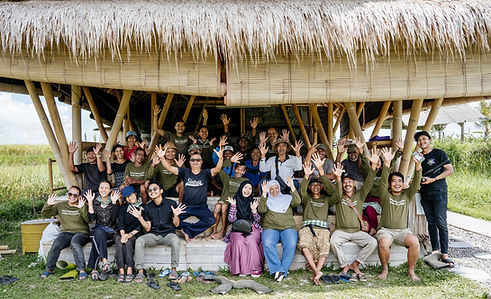
From Rice to Regeneration
Our work began in 2020 with helping rice farmers in Bali transition away from chemical-intensive practices.
And over time, that work has grown into something broader: a model for island-level regeneration.

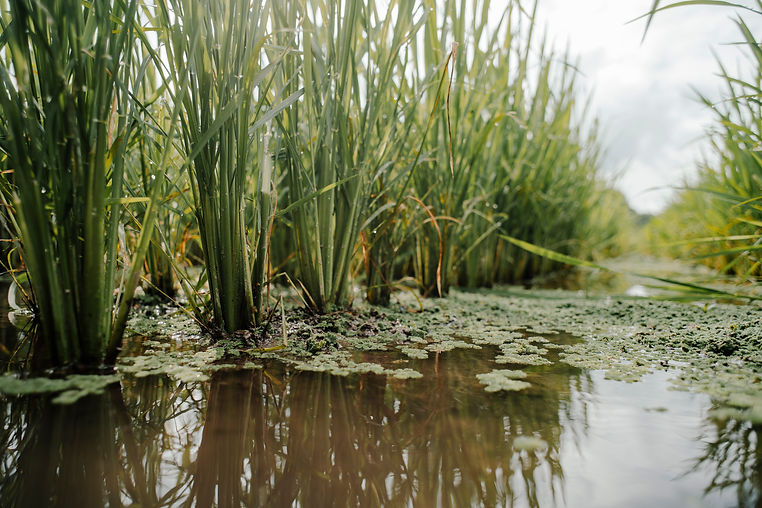
Regeneration needs systemic change.
We see regeneration as a multi-stakeholder movement.
Farmers
lead the transition in the field
Hospitality
helps finance and activate local regeneration
Sponsors
fund farmer outreach, training, and early transition support
Youth and schools
help reconnect the next generation to land and food systems
Travelers and Learners
carry awareness back and support our work with farmers
Research and data
measures outcomes so we improve the model over time

THE FARMING method
Our work is grounded in regenerative rice systems developed and validated over more than 15 years by Dr. Uma Khumairoh and researchers from Wageningen and Brawijaya Universities.
Since 2022, Astungkara Way has been adapting this work with farmers in Bali. The method is powerful, but scaling it requires more than agronomy alone. It requires practical adoption pathways, field support, demonstration plots, Champion farmers, and strong impact data over time.
Why THis matters
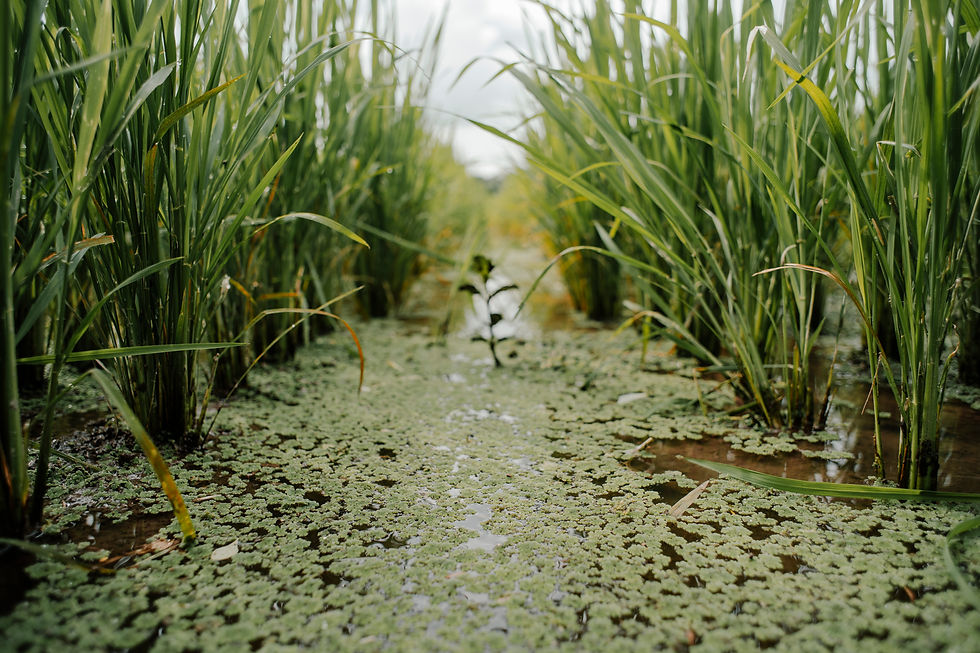
Rice landscapes across Indonesia are under pressure from declining soil fertility, chemical dependence, biodiversity loss, and water contamination. Rice farming itself is at stake.
Through our work with farmers and research partners, we have already seen strong field results:
-
250+ farmers engaged
-
Stable yields vs. chemical-based farming, outperforming in difficult weather years
-
Average household profits up 37% within 1 year
-
Soil organic carbon doubled from 2% to 4% within 2 years
-
Biodiversity index improved from 1.03 to 1.45 (1.5 is a balanced ecosystem)
-
Heavy metals in irrigation water fell from 10-15x above safe levels to safe thresholds.
This needs to become the norm.
OUR EXPERIENCES
Regenerative farming does not only require farmers to shift. We all need to.
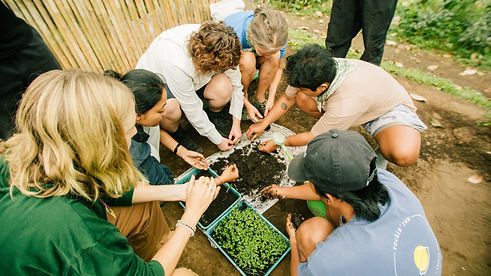
That is why Astungkara Way created the Trails and Farm Experiences: to give people direct, hands-on experiences of regeneration in practice.
Experiences are one of the ways our movement goes from local to global. They help people encounter regeneration directly and become seeds of change in their own communities.
They also explain why hospitality supports our work with farmers. We build meaningful experiences of regeneration that create value for guests while helping direct attention, relationships, and resources to local farming communities.
How the movement grows
Farmer transition is the core of the model. That means outreach, trust-building, training, field support, demonstration plots, Champion farmers, adapted tools, and impact measurement over time.
A lot indeed.
So we have built three connected pathways to support farmers and help the movement grow.

A model built for resilience
Astungkara Way combines farmer transition, scientific validation, hospitality partnerships, experiences, local procurement, and regenerative rice sales into one integrated business-impact model.
Regeneration needs more than good intentions.
It needs a system that supports farmers, creates value for funding partners, builds public awareness, and remains financially resilient over time.
This is the model we are building in Bali and Lombok.
Data & Evidence
Our farmer training programs are built on four years of field learning and intensive data collection on the economic, social, and environmental impacts of regenerative farming.
This work has grown into a unique field databank built with farmers across Bali and Lombok, tracking the best practices, and issues, that are part of the transition from conventional to regenerative systems over time.
This allows us to create evidence-based, effective farmer pathways for transition.

250+
participating farmers

439
plots implemented and studied

52
hectares of paddy studied