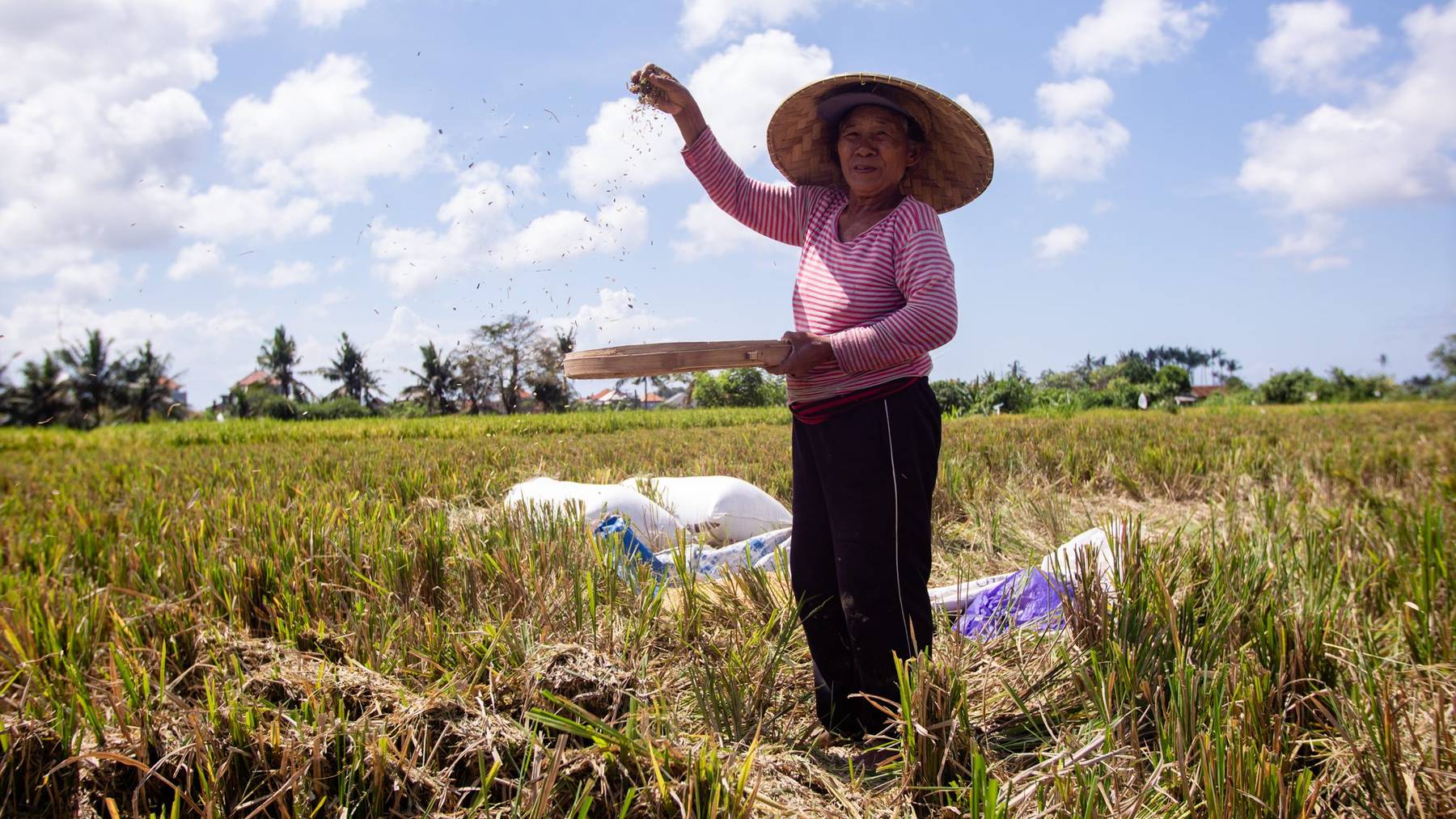
A farmer winnowing rice in a harvested field
Trails Impact Report, July 2026

Your journey supports the people who call Bali home.

We wanted to know where your money really goes, so we followed it: 21 months of receipts, payroll and ingredient registers, across 93 trails and 501 pilgrims. Here is what we found.

100%Stays in BaliRp 2.12 billion in trail revenue reviewed
Rp 633 MPaid to villageshost families, farms and community partners
12.1 kgCO2e per guest-night78 to 90% below a Bali hotel stay, transport aside
70 LWater per guest-dayagainst 800 to 4,000 L in resort tourism

Connected work, shared impact

Healthy landscapes depend on more than one kind of change. We connect travel, farming, food, education and research so that each supports the others.
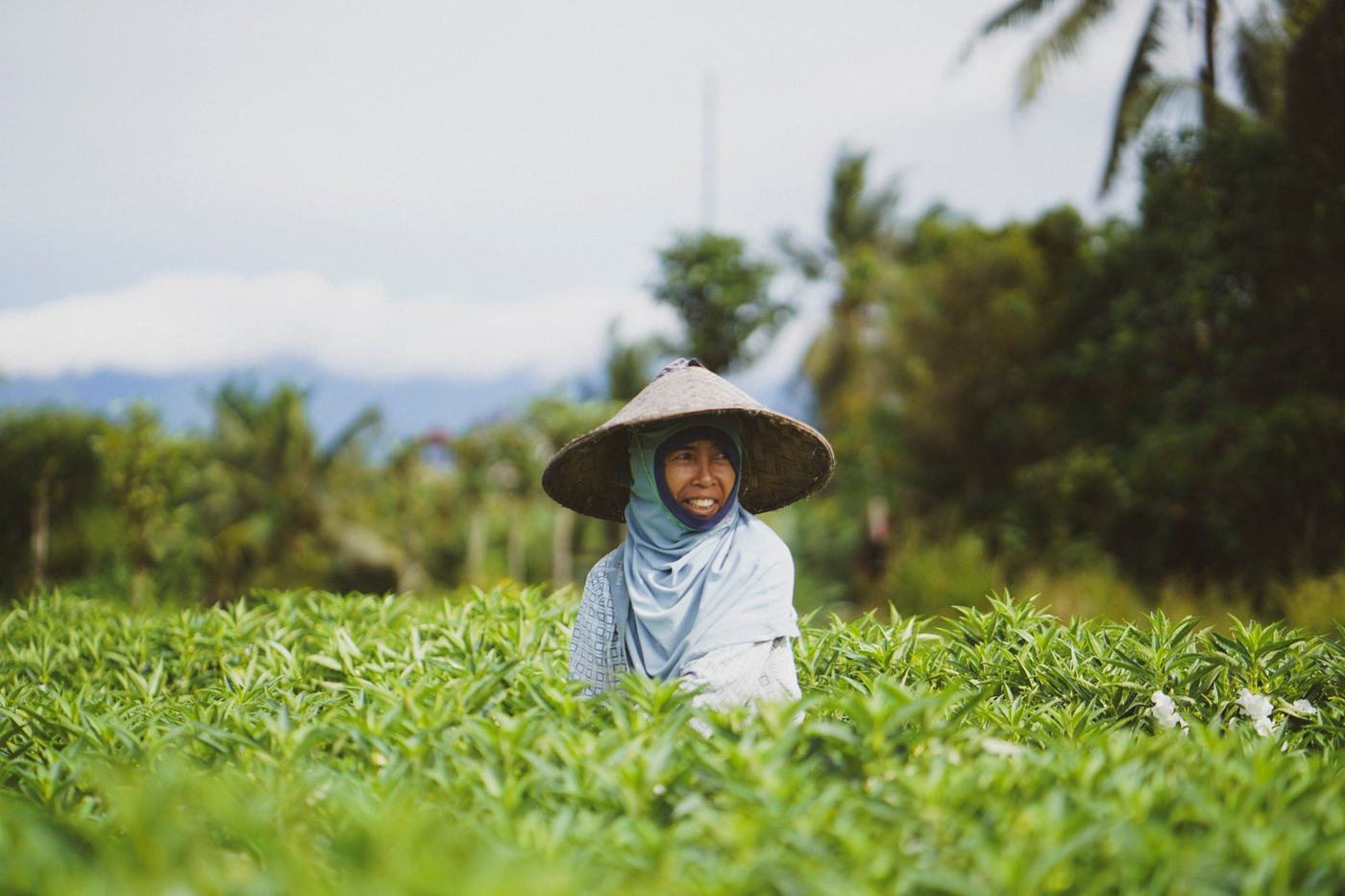
Trails501 pilgrims on 93 trails from September 2024 to May 2026, hosted by nine farming communities.
Farm ExperiencesStudents, teams and families learning alongside our farmers.
Regenerative riceWe buy rice from participating farmers and connect their harvests with kitchens across Bali.
Farming Academy338 farmers engaged in regenerative farming, trained in the field cycle after cycle.
Hospitality servicesHotels fund the farmers around them and follow the results on a live dashboard.
SchoolsA school garden with 148 students in Desa Tua, and free farm tours for Balinese schools every month.
ResearchA regenerative rice data bank built through fieldwork and university collaboration.
Grains of ChangeSince 2024, donors have sent 18.3 tonnes of our farmers' rice to schools, shelters and community kitchens.
Grains of Change, since 2024

Give rice. Support farmers. Help restore the land.

Through Grains of Change, your contribution buys rice from farmers transitioning to regenerative practices. We deliver it to partner charities in Bali, helping nourish communities while giving farmers a reliable market.

NourishChildren and families who rely on these charities share rice grown without synthetic inputs.
TransitionFarmers in their first cycles know their harvest has a buyer while their fields recover.
RestoreYour contribution supports farming practices that care for soil, water and biodiversity.
18.3 tonnesof rice delivered to charities in the first two years.
Rp 385 Mraised from 28 donor contributions since 2024.
15 tonnesis the goal for 2027. US$10 a month sends 7 kg of rice every month.

Where your booking goes

Your booking supports our Bali-based team, local hosts and the farms and villages along the route. The breakdown below shows how the report allocates trail revenue.
Host families, farms and villages, 42%host families, farms and community enterprises
Our Balinese trail team, 37%guides, trail organisers and driver, all on salary
Our Balinese admin and support team, 12%the people who design, sell and run the trails
Local transport and other local costs, 9%local transport, freelance Balinese guides, logistics
What one pilgrim contributesRp 3,074,000into Bali's local economy, about US$171
Rp 1,264,000paid directly to villages and community partners
Rp 1,328,000in wages for local guides, organisers and driver
40 to 60%of tourist spending can leave the destination, according to the studies cited in our report.
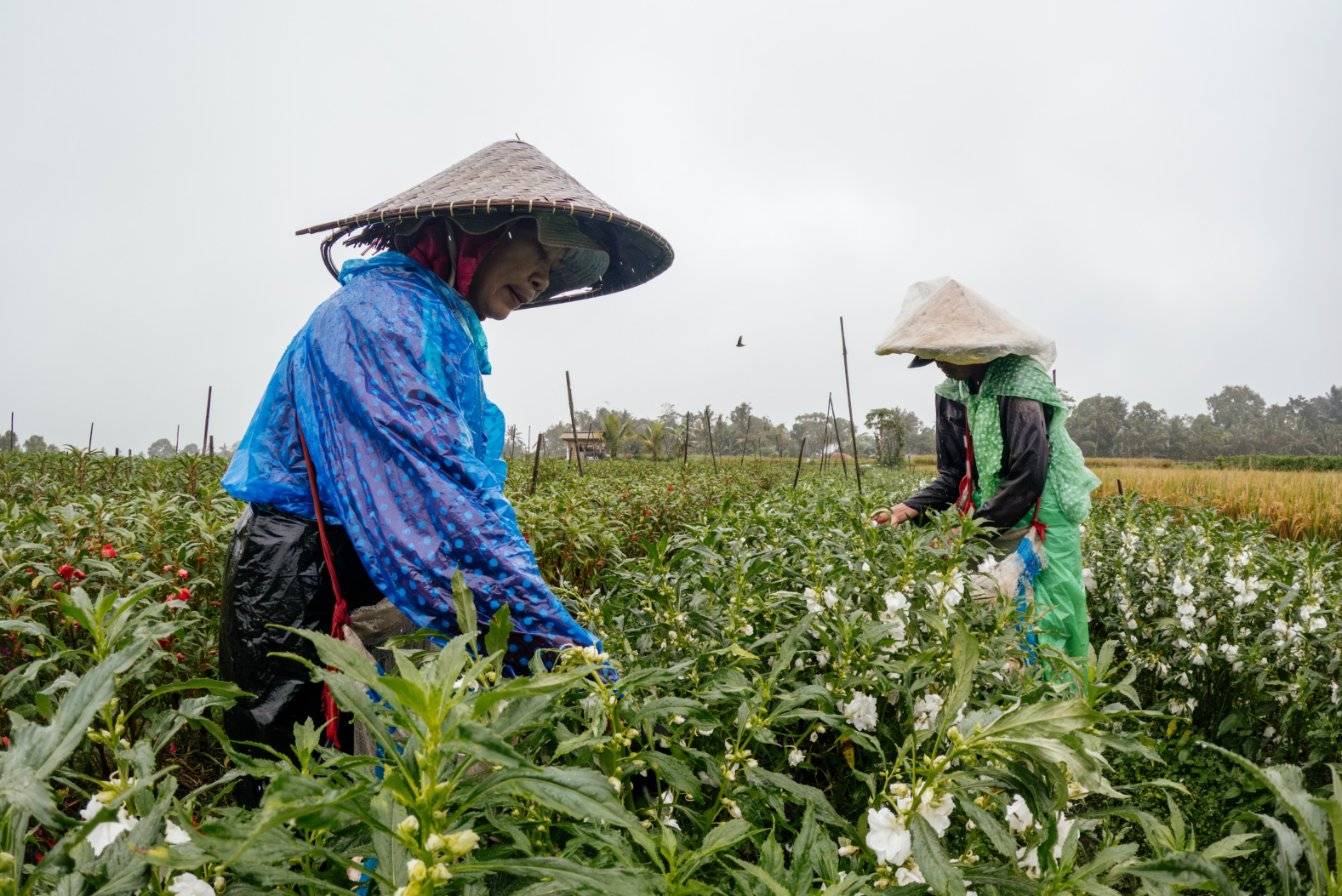
Two farmers in woven hats tending a field of flowers
Along the trail

The farmers we support along the way

You eat at their tables, walk their fields and forest gardens, and learn what they grow. Every stop along the way is a family or a farm we know well and pay directly.
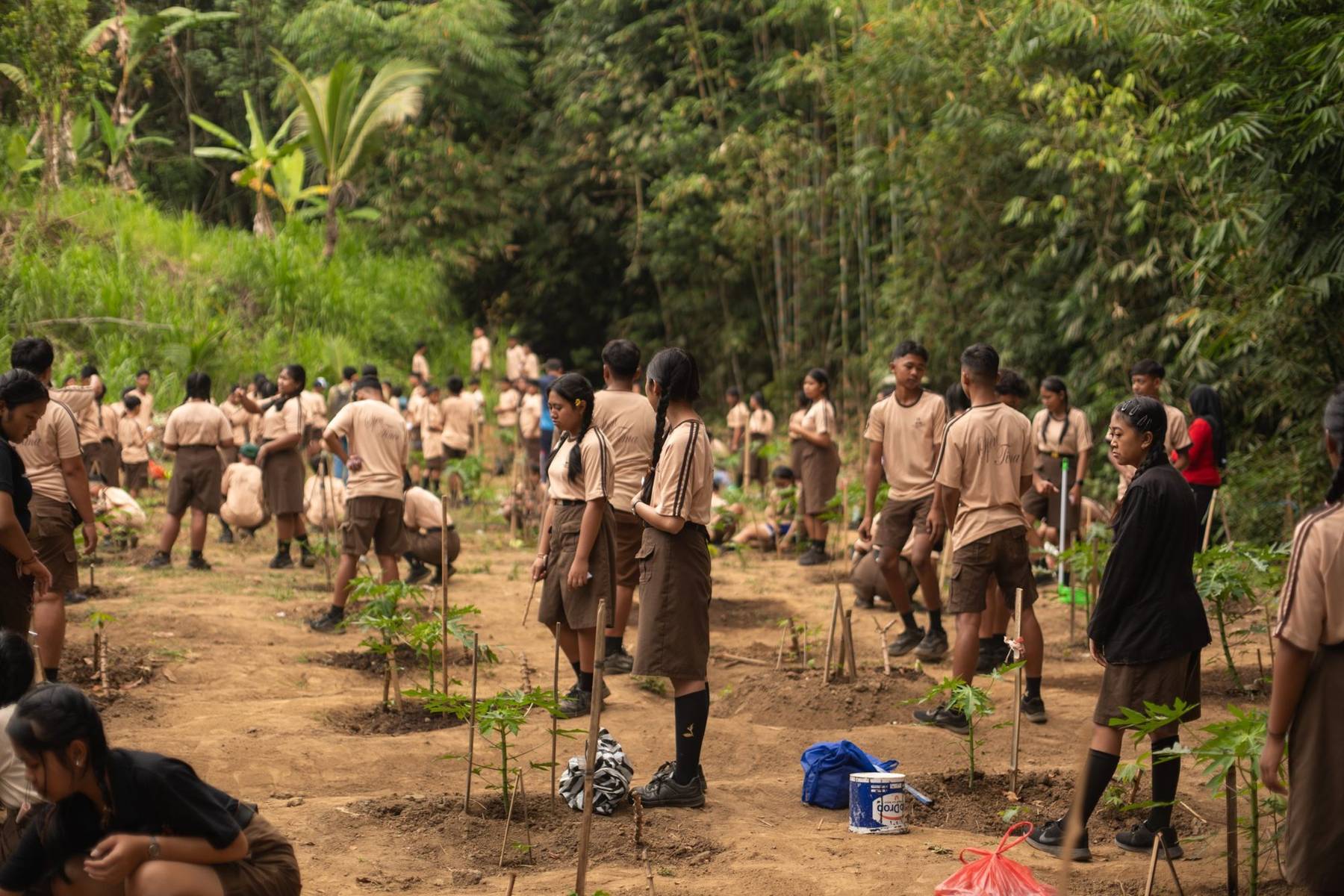
Students in scout uniform planting papaya seedlings in the school garden
Along the trail

A school garden in Desa Tua

Near the ancient banyan tree in Tua village, our farming team joins students at SMPN 3 Marga to turn 3,000 square metres of school land into a productive garden.

148 studentsplanted the first cassava on 28 August 2026.
6 compost pilesbuilt and turned by the students, replacing the burning of school waste.
One child, one eggplanteach student plants and looks after their own.

Walking lightly on the island

Walking between village stays shapes the footprint of your journey. Below, we compare estimated trail emissions per guest-night and water use per guest-day with published hotel figures.

Carbon, kg CO2e per guest-night
Water, litres per guest-day
Luxury Bali stay
125
up to 4,000
Standard Bali stay
55
from 800
Astungkara Way trail
12.1
70

Carbon: 2025 assessment across 45 departures, using DEFRA, Climatiq, IPCC and WRI Indonesia factors. It covers food, accommodation and supplies on the trail. Our support vehicles add 10.6 kg per guest-night and are left out, as the hotel figures do not count transport either. Water: Trails Impact Report, July 2026, against 800 to 4,000 litres per guest-day in resort tourism.

The footprint of each trail

Our 2025 assessment estimated the footprint of 45 departures, including food, accommodation, supplies and support transport. The table below shows how the trails compare.

Village stays and walking routes shape how we use water. We compare our estimated use with published hotel and resort figures, with the scope of each figure explained below.

TrailOn the trailWith vehicles
The Astungkara Trail, 10 days12 kg20 kg
Heart of Bali, 5 days11 kg20 kg
Balinese Immersion, 2 days19 kg39 kg
Cascade Quest, 2 days18 kg55 kg
Jungle Bathing, 2 days22 kg62 kg

kg CO2e per guest-night, 2025 departures. "On the trail" covers food, accommodation and supplies. "With vehicles" adds our support car: luggage, supplies and the drive back. On short trails that drive is most of the footprint.
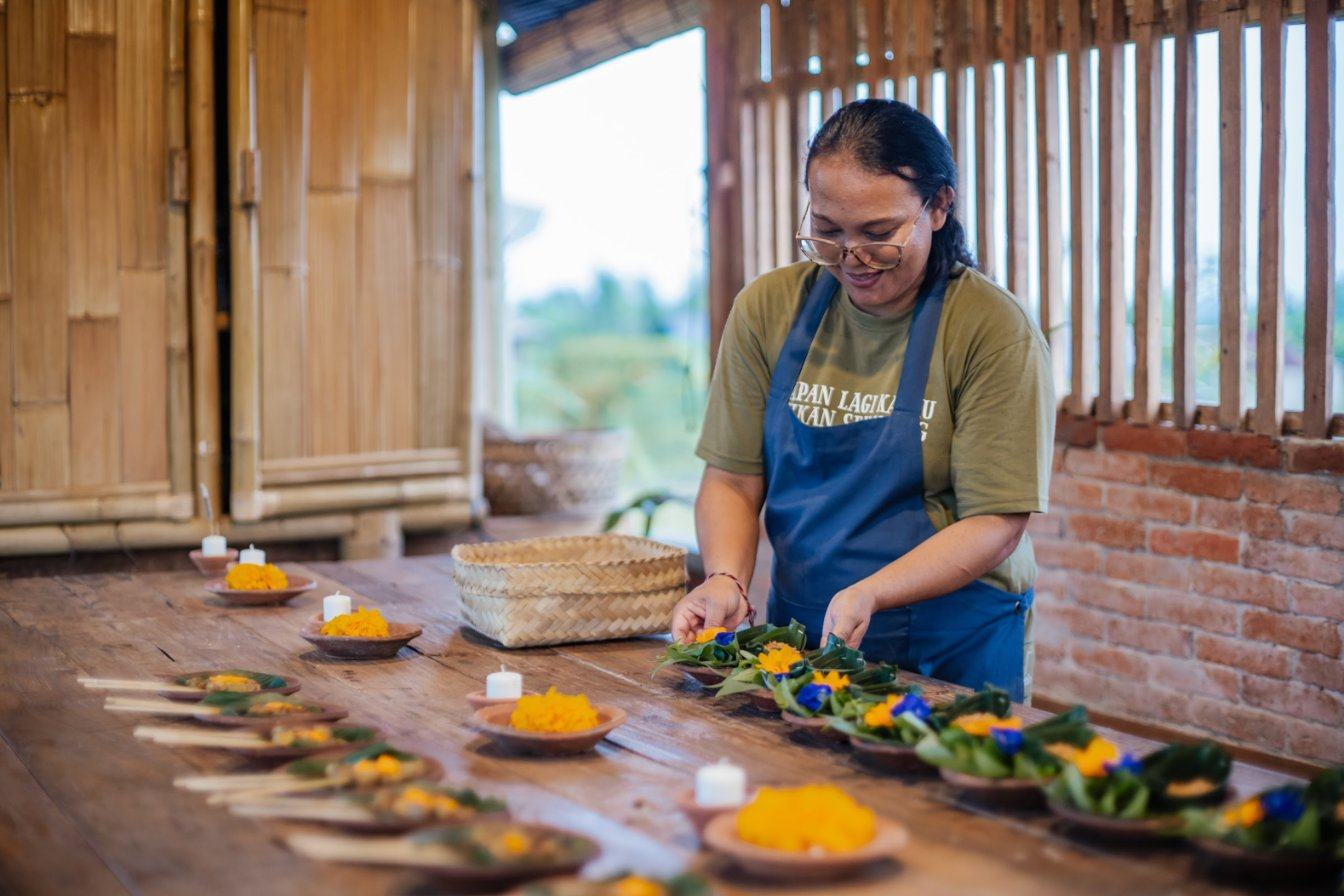
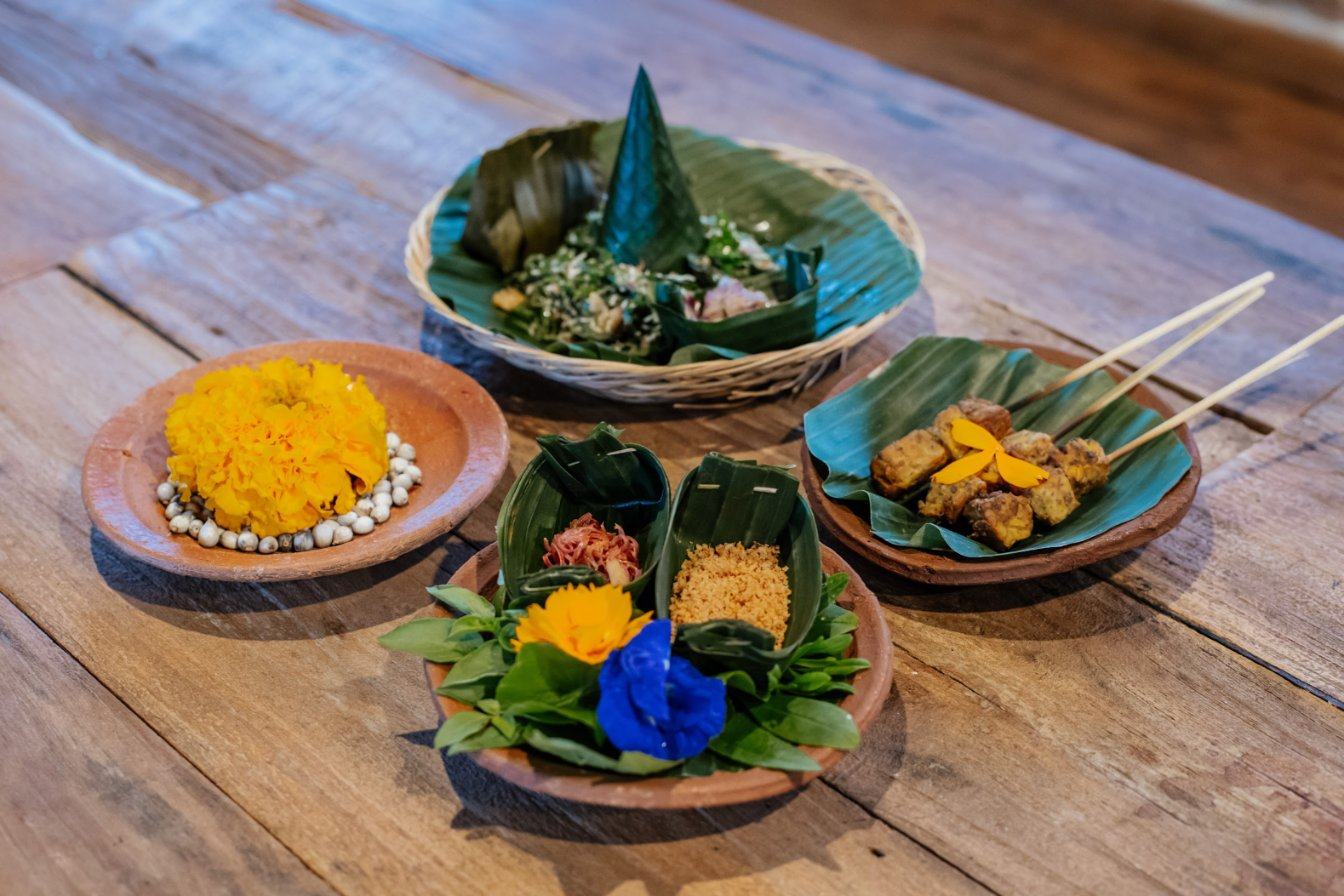
Our cook setting out banana-leaf dishes on a long wooden table
Balinese dishes from local farms served on banana leaves and clay plates

Food that connects you with local farms

Our ingredient register covers 472 entries across 10 host kitchens. It helps us understand how much food comes from partner regenerative farms and where we can strengthen local sourcing.

Meals on the trail create demand for local food, from rice and vegetables to herbs and eggs. Our hosts source from partner farms and village markets.

38%from partner regenerative farms
62%from village markets
0imported ingredients

Your farm visit supports the work

Your visit supports our Bali-based team and local farmers, and helps keep the farm open as a place to learn.
100%stays in Bali
30%of every booking supports local regenerative farmers
Monthlyfree Farm Tours for Balinese schools, funded by our profits
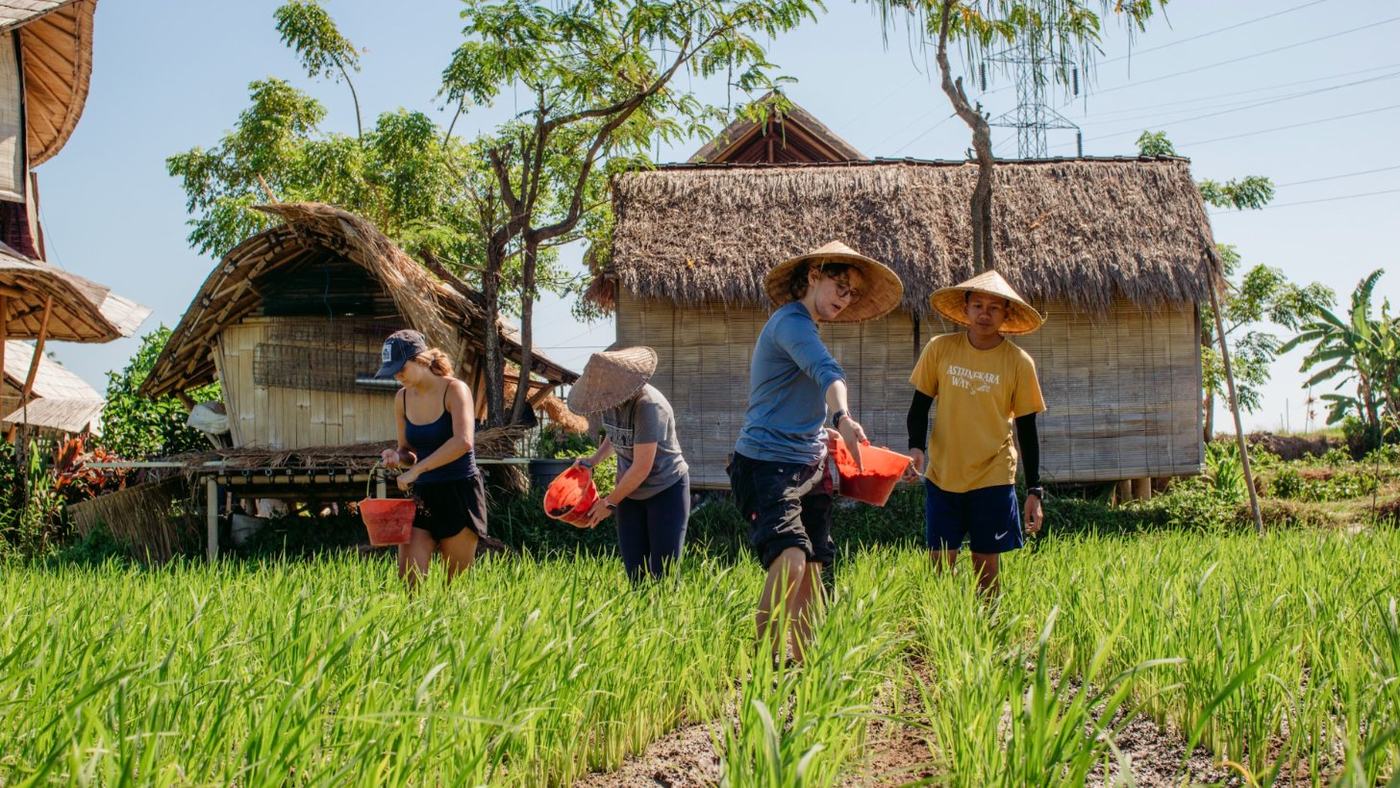
A farm tour group sowing in the paddy with our guide
Beyond the trail

The farmers behind the food

The trails help sustain our work with rice farmers. Our data bank follows changes in farming practices, costs, harvests and the environment so we can learn what works and improve the support farmers receive.

338Farmers trackedacross eight subaks in Bali
439Plots studiedon 52 hectares of paddy
892Field observations recordedyield, cost, income and practice
Year 5And still measuringour first farmers joined in 2022
Our Regenerative Academy and data bank are supported by
Zero Foodprint AsiaLilyput HoldingsImaginal Seeds
How they help

See the farming data

How we counted

This report comes straight from our own books: receipts, payroll and ingredient registers from September 2024 to May 2026.

The carbon figure comes from a 2025 assessment across 45 departures, using DEFRA, Climatiq, IPCC and WRI Indonesia emission factors. We share the method along with the numbers, so anyone can check them.
Download the full report

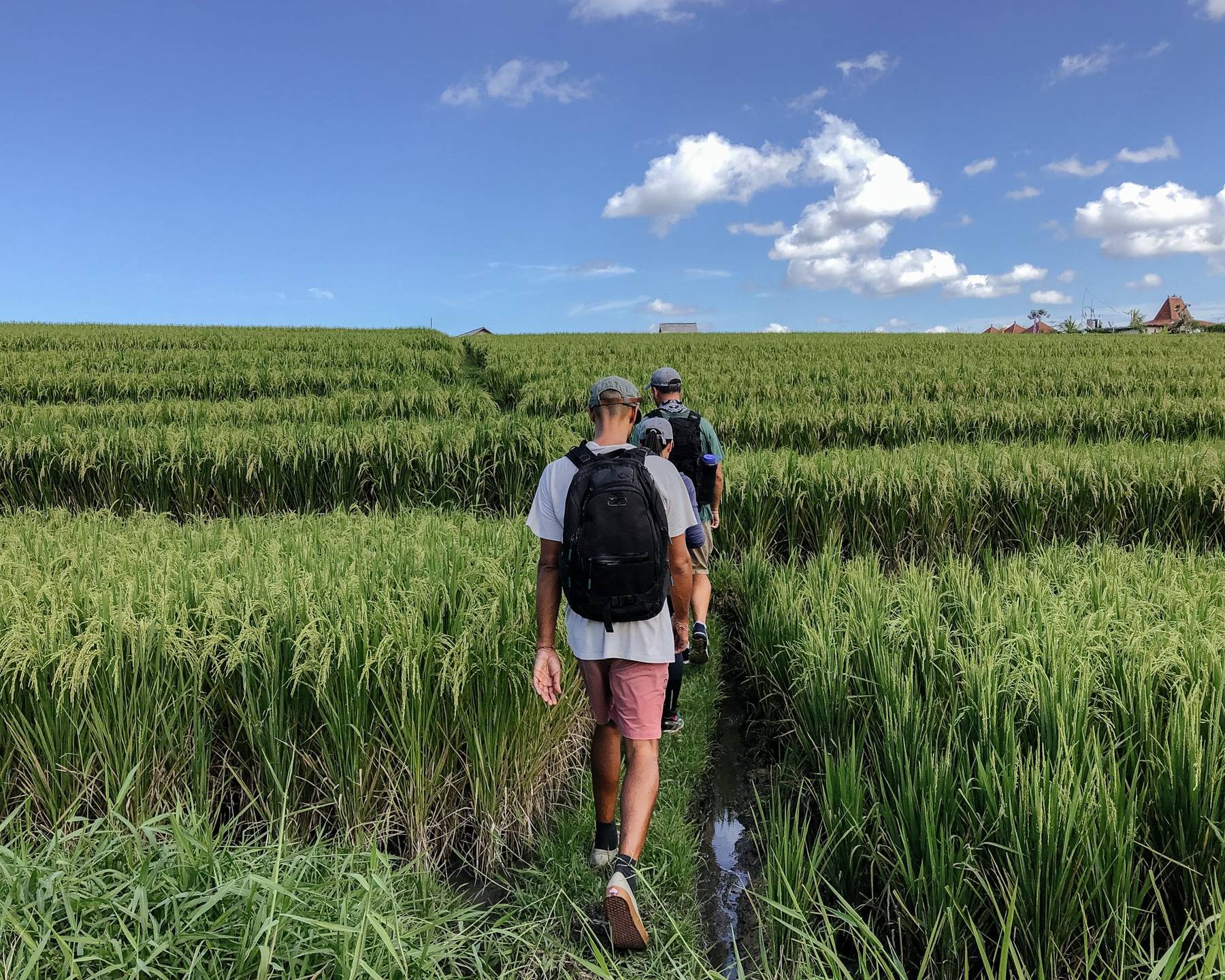
Pilgrims in single file through tall rice

Come and see it with your own eyes. Come walk with us.